

What Are Stained Teeth?
Stained teeth, also known as tooth discolouration, refer to teeth that have changed colour. Stained teeth can appear dull, darker, yellowish, or have dark or white spots.
Teeth staining occurs when the colour of teeth change due to poor hygiene, age, medications, foods, trauma, or smoking.
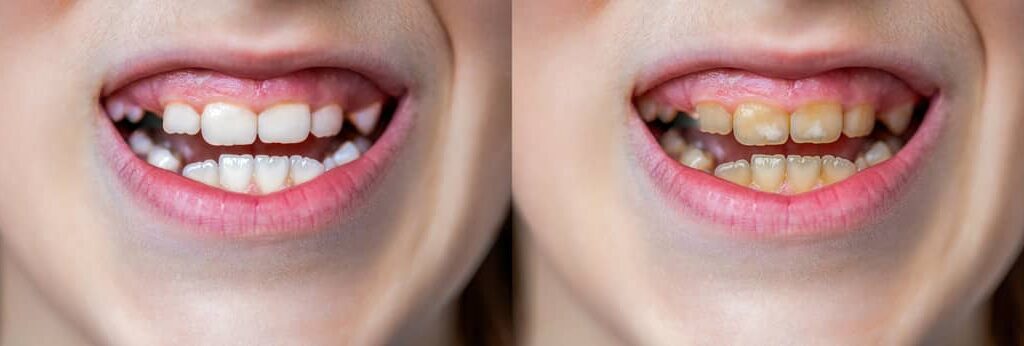
Types of Tooth Stains/Discolorations
Extrinsic Staining
Extrinsic staining, known as surface staining, is the most common type of tooth discolouration. This type involves the enamel layer and occurs when teeth absorb coloured pigments from dark foods and beverages. Since it only affects the surface, extrinsic staining is usually fairly responsive to whitening treatments.
Intrinsic Staining
Intrinsic staining refers to discoloration that affects the tooth internally. Since it affects the inner layer of teeth (dentin), intrinsic staining is usually more difficult to remove than extrinsic staining. Intrinsic staining can result from age-related tooth discoloration, certain medications, or tooth trauma.
Common Causes of Stained Teeth
Common causes of stained teeth may include:
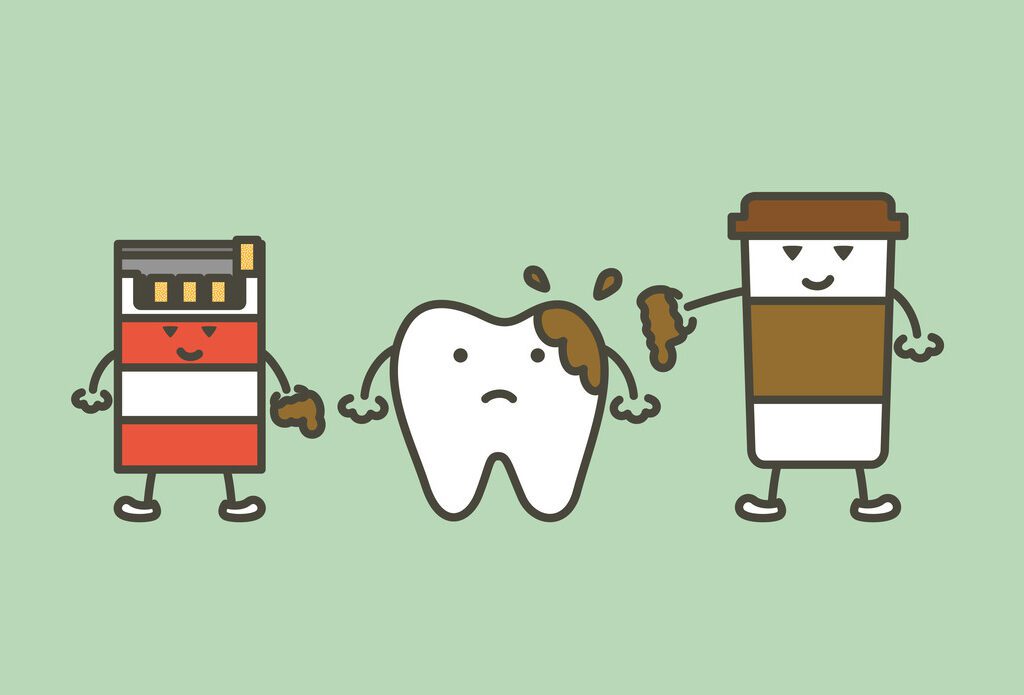
- Highly pigmented foods and drinks, such as tomato-based sauces, coffee, red wine, curry, and tea
- Smoking cigarettes or using tobacco products
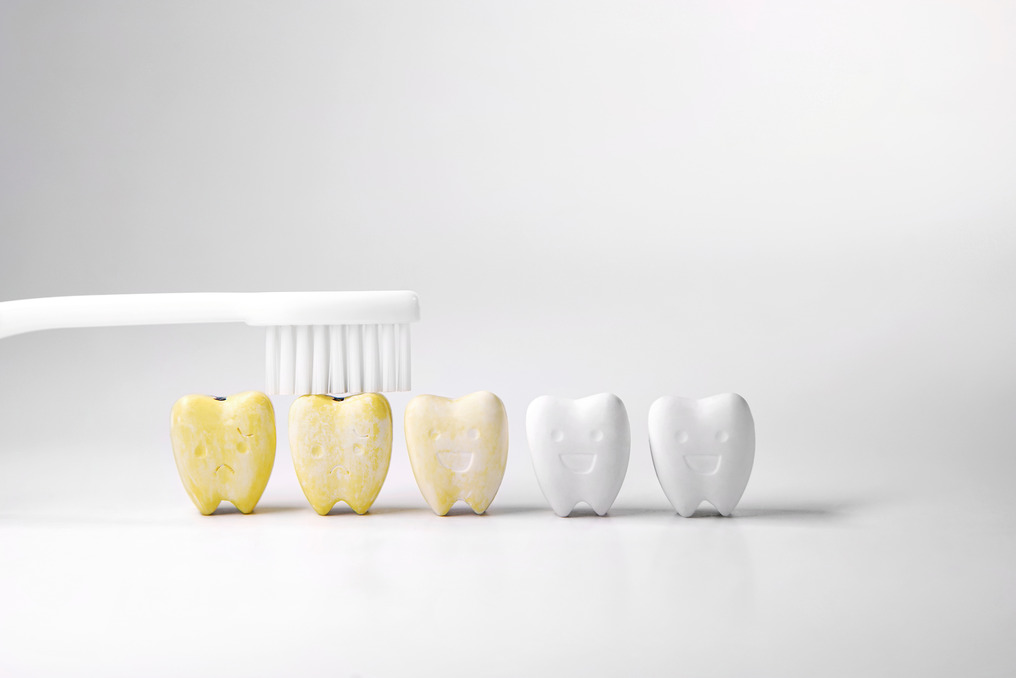
- Poor oral hygiene (stains can stick to plaque buildup and give teeth a yellowish appearance)
- Ageing (enamel naturally thins as we age and dentin darkens, causing a dull, yellowish appearance)
- Trauma to the teeth that damages and darkens enamel
- Certain medications, such as doxycycline and tetracycline
- Certain health conditions
- Certain cancer treatments
Negative Effects of Stained Teeth
Stained teeth can have a variety of negative effects on an individual’s quality of life, including:
- Decreased self-confidence
- Decreased comfort in social situations
- More difficulty removing stains if they aren’t addressed immediately
- Giving off the appearance of poor hygiene
- Potential underlying health concerns
- May negatively affect your image in professional situations
Our Treatments for Stained Teeth
We offer a full range of restorative dentistry services in Melbourne and Hawthorn East that includes: dental crowns and bridges, dental implants, dental fillings & restorations and dental veneers.
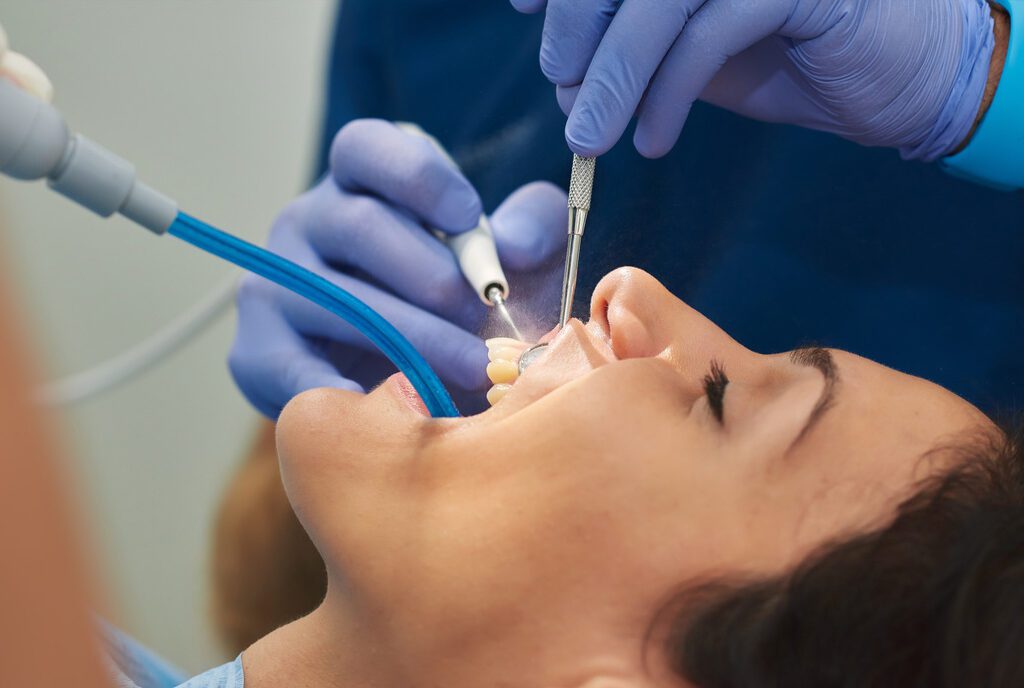
Our dental checkups involve a thorough cleaning. This helps remove surface stains and remove stubborn plaque and tartar that may be causing discolouration.
Professional teeth whitening is an effective option for brightening stained teeth. Extrinsic staining responds particularly well to professional teeth whitening.
Dental veneers cover natural teeth with a thin, custom-coloured shell that can instantly hide stains and brighten your smile. It’s a good option for stubborn intrinsic stains.
A dental crown is a tooth cap that covers the entire tooth, enabling dentists to conceal damage and discolouration.
For kids, our dental check-ups include a gentle and kid-friendly cleaning. We remove plaque, tartar, stains and more.
How to Remove Teeth Stains at Home
Home teeth whitening remedies are not proven, but some individuals prefer to try these methods. Here are a few common home remedies for teeth whitening:
Swishing organic coconut oil around for 5 to 10 minutes at a time is claimed to whiten teeth naturally and reduce bacteria in the mouth.
Whitening toothpaste may subtly whiten teeth by reducing surface stains. Be careful not to overuse whitening toothpaste as it may damage enamel or cause gum irritation.
Chewing apples, pears, vegetables, leafy greens, and legumes may stimulate saliva production. Saliva helps neturalise acid to protect teeth enamel and help teeth appear brighter and healthier.
Rinsing your mouth with water after consuming highly pigmented foods and limiting your intake of coffee and tea may help whiten teeth at home.
Children can also experience other dental problems like overcrowded or misaligned teeth. Childhood is the right time to treat orthodontic issues to give your child a perfect smile and a healthy set of teeth.
If you want an at-home teeth whitening option that works, take-home teeth whitening kits are worth considering. At Tendlar Dental, we offer take-home teeth whitening kits that can be used to conveniently whiten your smile from the comfort of your home.

How to Prevent Stained Teeth
Here are tips to prevent stained teeth:
- Practice good oral hygiene by brushing twice daily and flossing daily
- Avoid smoking and tobacco products
- Limit or avoid foods and drinks that stain teeth
- Rinse with water after consuming highly-pigmented foods and drinks
- Attend regular dental checkups
- Have decay or tooth trauma addressed immediately to reduce the risk of permanent discolouration
When Should I See a Dentist to Remove Teeth Stains?
If you want the best teeth whitening results, we recommend professional teeth whitening. We also recommend seeing a dentist for tooth staining if your teeth have not responded to over-the-counter teeth whitening products.
Stubborn intrinsic stains also require professional evaluation and treatment from a dentist. A dentist can evaluate your teeth and determine if you have extrinsic or intrinsic staining and which type of teeth whitening is most suitable for you.

Frequently Asked Questions
Why are my teeth suddenly staining?
If you notice your teeth are suddenly staining, it may be due to a change in your oral hygiene, an increased consumption of pigmented foods or drinks, increased tobacco usage, or certain medications (Tooth Colour: A Review of the Literature .
If you notice sudden teeth staining, consult your dentist immediately. Your dentist can rule out any health issues or medication side effects that may be causing sudden tooth staining and determine the best treatment route.
Can yellow teeth become white again?
Yes, yellow teeth can become white again. If natural teeth do not respond to professional whitening treatments, we can use other cosmetic dentistry options to conceal discolouration. For instance, stubborn intrinsic stains can be covered up by veneers, creating a total smile transformation.
What causes brown stains on teeth?
Brown stains on teeth are most often the result of smoking or using chewing tobacco. Brown stains may also be a sign of untreated tooth decay (Tooth Discolouration and Staining: A Review of the Literature).
Brown stains on teeth may also be a result of:
- Dark-coloured foods and drinks, such as red wine, tea, coffee, colas, and berries
- Plaque and tartar buildup from poor oral hygiene
- Ageing
- Certain medications
- Thinner enamel from ageing which results in naturally darker dentin showing through easier
- An underlying medical condition
How do I stop my teeth from staining?
To help stop teeth from staining, avoid or limit highly pigmented foods and beverages, follow a good oral hygiene routine, attend regular dental checkups, and avoid tobacco products.
Are stained teeth unhealthy?
Stained teeth are usually a cosmetic issue and do not automatically indicate poor oral hygiene or health issues. However, brown or white spots on teeth may indicate an underlying health condition or side effect of a medication. It is important to consult your dentist regarding teeth staining to rule out any health concerns, especially if it is accompanied by bad breath, bleeding gums, decay, or pain.
What drink stains your teeth the most?
Coffee is notorious for being the drink that stains teeth the most. However, frequently consuming any highly pigmented food or beverage can stain teeth, such as:
- Coffee
- Red wine
- Tomato juice and sauces
- Dark colas
- Curry
- Black tea
- Balsamic vinegar
- Soy sauce
How to get rid of stains from all my teeth?
If you have stains on all your teeth, professional teeth whitening can brighten your entire smile. Professional whitening is the most effective option and can treat all of your teeth at once.
We offer professional take-home whitening kits or ZOOM in-chair whitening to brighten and transform your entire smile.
How to get rid of stains from a tooth or 2?
If you only have one or two discoloured teeth due to decay or trauma, you may wish to consider other teeth whitening options. Crowns, tooth bonding, or veneers can change the colour of one or two teeth if the rest of your smile is already the shade you like.
What do the different colour of teeth stains mean?
Teeth stains can have a variety of causes, but the colour may give a clue to the cause:
- Yellow Stains: Dark coloured foods and beverages, poor oral hygiene
- Brown Stains: Using chewing tobacco, smoking, untreated tooth decay
- White Spots: Fluoridosis (excessive fluoride consumption during childhood during tooth development)
- Black Spots: Severe decay (Source: Black Stain and Dental Caries: A Review of the Literature, Pub Med Central)
- Purplish Stains: Red wine
- Grayish Stains: Dental trauma, dead nerve inside the tooth